Craft
Six Questions to Align Your Plot Arc and Character Arc for Maximum Impact
A practical framework for making your plot pressure, character change, climax, and ending work together.
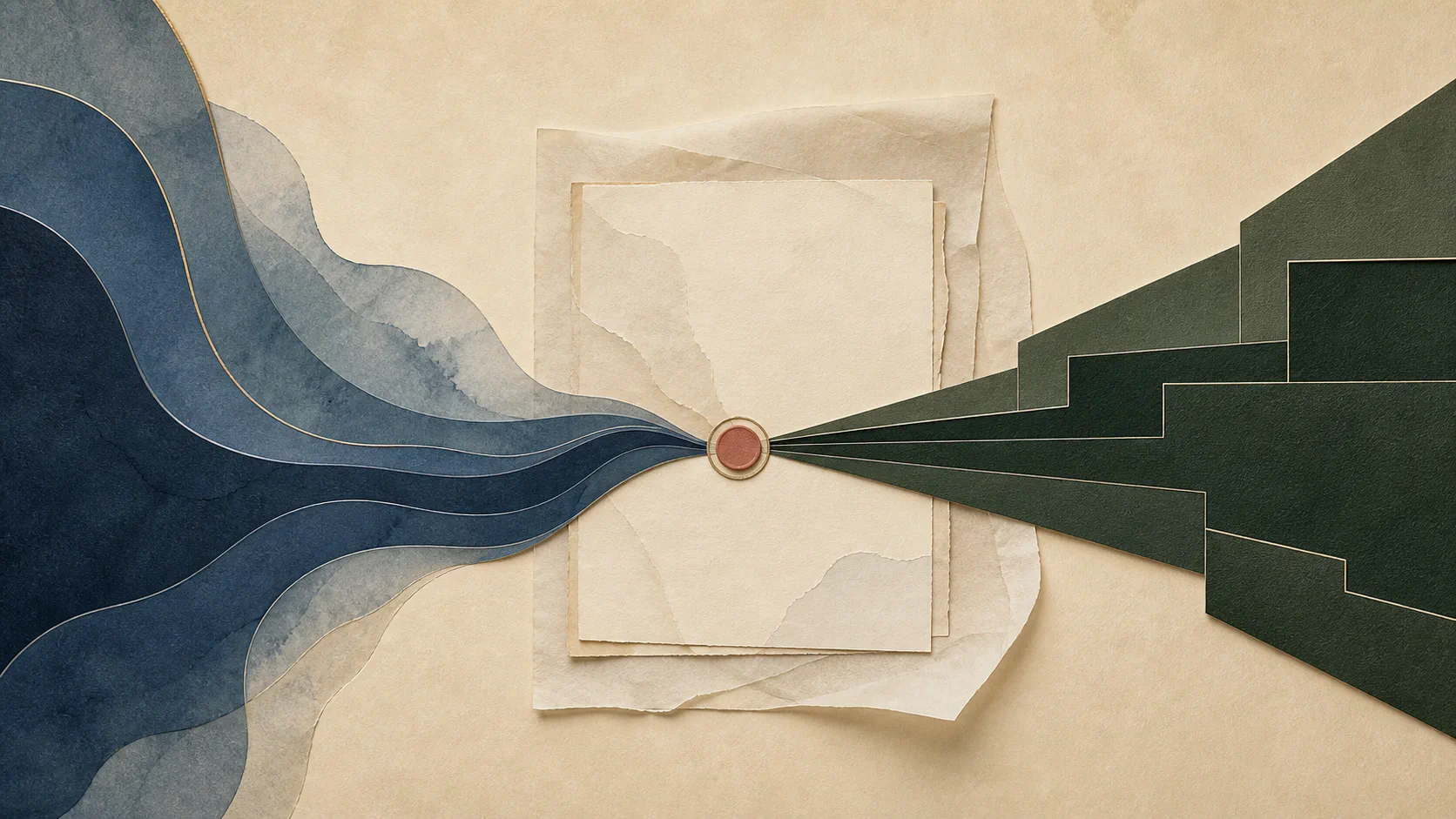
A story can have a fantastic plot and a compelling protagonist, and still leave the reader with the unsatisfying sense that two different books were somehow stitched together.
Usually, the issue is not a lack of events or emotion. It’s the connection between them (or lack thereof). The plot creates motion: goals, obstacles, consequences. The character arc creates meaning: the belief a protagonist carries, the need beneath their behavior, and the choice that becomes possible only after they have been tested.
When those arcs are aligned well—dare I say “braided” together—the story’s biggest external problem becomes the very thing that makes the protagonist’s inner change necessary. The ending feels earned because the solution to the plot cannot be separated from who the character has to become.
Let’s take six of the standard plot foundations and six of the standard character arc foundations and tie them together for the most impact. Then, we’ll use the resulting six power questions to audit whether your story has that kind of braid.
1. Does the central conflict help shape your theme? (Central Question + Thematic Premise)
Start with the question that gives your plot its forward pull: Will the protagonist achieve this goal despite this obstacle?
That question needs practical force. Can they save the business, return home, uncover the truth, win the trial, survive the journey? But it can also carry an emotional argument. A story about a woman fighting to keep her family farm might be asking what a person owes to tradition. A mystery about an ambitious reporter might be asking whether ambition can coexist with loyalty. This emotional implication is your thematic premise. The external conflict gives this theme somewhere to live.
If your theme could be swapped out without changing the central conflict, the two may not be doing enough work together. Look for a version of the conflict that naturally raises the deeper question you want the story to explore.
You do not need to announce the answer on page one. After all, those first few pages are valuable real estate for hooking the reader, and your conflict and theme might not be the hookiest material. You do, however, need to know what each major turn is weighing in on.
2. Are the protagonist’s goal and need in meaningful tension? (External Goal + Internal Need)
The goal is what the protagonist can pursue in the visible world. It is the concrete result they want: the promotion, the rescue, the escape, the reconciliation, the victory.
The need is the inner truth or unfulfilled capacity they are missing at the beginning. It stems from their Misbelief. It may be trust, humility, self-respect, courage, vulnerability, the ability to accept help, or any number of internal gaps that are holding them back from feeling whole.
Strong stories often put those two things in tension. A character may want to prove they can succeed alone while emotionally needing to let others in. They may want status while needing to question the version of success they have inherited. They may want revenge while needing to face grief.
That friction creates choices with much deeper impact, and your readers are here for it. The protagonist can’t just grab the prize and collect a lesson on the way out. Their usual strategy must first start to cost them something, or even fail, and then the story must make another way of moving through the world imaginable.
Try writing these two sentences without softening either one:
- My protagonist wants:
- My protagonist needs:
Then ask: What would make pursuing the first one difficult without some movement toward the second? That answer might reveal the pressure system for the whole book.
3. Does the opposition press on the character’s wound or misbelief? (Antagonist/Obstacle + Misbelief)
An antagonist can be a rival, an institution, a family system, nature, time, or the fallout of an earlier decision. Whatever form it takes, the opposition grows more potent when it challenges the protagonist’s particular way of protecting themselves.
That protection grew from a wound and/or misbelief. Perhaps the protagonist believes they are only valuable when they are useful. Perhaps they learned that attachment invites loss, that control prevents humiliation, or that asking for help is dangerous. Their misbelief may have once helped them endure. In the present story, it limits their choices.
Now examine the obstacle. Does it merely block the goal, or does it make the old belief more tempting and more destructive?
Consider a protagonist who believes control is the only defense against failure. A business crisis, a dangerous expedition, or a fragile alliance can all pressure that belief. But the story becomes more personal when the obstacle repeatedly rewards the impulse to control before revealing its damage. Every hard turn then tests the protagonist’s way of surviving, not just their competence.
This does not require a villain who knows the hero’s backstory. The important connection is structural. The plot keeps bringing the character to the edge of their old pattern until that pattern can no longer carry them forward.
For example, let’s look at Woody from the first Toy Story movie. He believes that his worth is conditional upon being Andy’s favorite. Sid, the story’s external antagonist, represents a world where toys are disposable, unloved, and easily destroyed. Woody confronts his deepest fear: being unloved and worthless, while fighting for physical survival in Sid’s room.
4. Are the external and internal stakes both shaping the big decision? (External Stakes + Internal Stakes)
Stakes are the consequences of failure.
External stakes answer, What happens in the story world if the protagonist fails? A home is lost. A community remains endangered. A relationship breaks. An injustice prevails.
Internal stakes answer, What happens inside the protagonist if they fail to confront the misbelief that has governed them? They remain alone. They become cruel in the name of safety. They repeat the wound that shaped them. They win the visible battle and lose something more intimate.
Both kinds of stakes matter, and they should meet before the ending. A climax becomes bigger, more powerful, more nerve-wracking when the protagonist has to decide between a familiar form of safety and a choice that risks real loss, while honoring the person they are becoming.
For a quick test, finish these lines:
- If they fail externally, …
- If they fail internally, …
- At the decisive moment, they must choose between …
If your third answer never touches the first two, your climax may be resolving the plot and character arc on separate tracks. Raise the pressure until the external danger and the internal cost hit the reader together.
5. Does the final confrontation demand a choice the old self could not make? (Final Conflict + The Hard Choice)
The climax is the final conflict that brings the story’s central question to a head. For the dual arc to really land, it should also force a hard choice that exposes whether the protagonist has changed.
Ask yourself: Could this character have made the same choice in chapter two?
If the answer is yes, the action may resolve the plot without completing the transformation. If the answer is no, find the specific belief, fear, or habit that had to change before the choice became possible.
Imagine a protagonist whose entire strategy has been self-reliance. At the climax, they may have a chance to secure the external win alone, but only by abandoning someone they have learned to value. Choosing partnership is meaningful when it is costly, active, and directly connected to the solution. The character does not pause the plot to demonstrate growth. Their growth changes what they are willing to do under pressure.
Woody could have left Buzz behind and made it to the moving truck alone. But we see his growth when he chooses to stay and save Buzz, even if that means risking being lost to Andy. Not only that, but he chooses teamwork with the toy he has been trying so hard to ditch.
That is why the final choice needs consequences. Let it cost time, certainty, status, safety, or the cleanest path to victory. Readers believe change when they can see what the character has risked to live by it.
6. Does the ending show how the outer change and inner change affect each other? (Story World Change + Character Transformation)
An ending does more than close the action. It also lets the reader feel the altered world that has grown out of the character’s choices.
Look at the external result first. How has the family, workplace, town, relationship, social order, political landscape, or physical world changed because of the story’s conflict? Then look at the character. What has shifted in how they see themselves, relate to others, or face the future?
The most resonant endings let those changes speak to each other. A healed community might offer the protagonist a real chance to practice new trust. A political victory might make a character’s private compromise feel newly complicated. A hard-won relationship may be stronger precisely because the world remains imperfect.
They do not need to match in tone. A hopeful character in a damaged world can be moving. A personal loss that enables wider change can be devastating in the right way. What matters is that readers can feel the conversation between the two outcomes.
Ask: What does the change in the world suggest about the durability, cost, or meaning of the protagonist’s change? That question can turn a tidy resolution into an ending your readers contemplate long after finishing the book.
Put the six questions where you can use them
These questions are most useful when they become part of your planning, auditing, or revision process.
In Novelio, your Plot Foundations page gives you a practical place to work through the connection. Open your story’s Plotting area and select the Foundations tab. In The Arcs, you can set the external direction of the story beside the protagonist’s internal change. In Foundational Plot Events, you can then look at the beginning, middle, climax, and ending through the lens of the choices each turn demands. Use Plot Foundations for a closer walkthrough.
You do not need every scene to carry the entire dual arc. Scenes can exist for different reasons: to build atmosphere, deepen a relationship, deliver information, or let the reader breathe. Across the story’s major turns, though, the pattern should be clear: the plot applies pressure, the pressure challenges an old way of living, and the protagonist’s choices change what happens next.
That braid—that intertwining dependence between the plot and the character—is where a story earns its emotional weight. Sure, the reader wants to see your protagonist reach for a goal, but they’re also watching to discover what reaching it will cost.
From the Journal